
Ballet féerie in three acts, seven scenes and a prologue
Music by Adolphe Adam
Choreography by Jules Perrot
Libretto by Jules-Henri Vernoy de Saint-Georges
Décor by Cambon, Thierry (Prologue & Act 1) & Edouard Despléchin (Act 2 & Act 3)
Costumes by Paul Lormier & H d’Orschwiller
World Première
8th October 1849
Opéra-Théâtre de la Nation, Paris
Original 1849 Cast
Ysaure
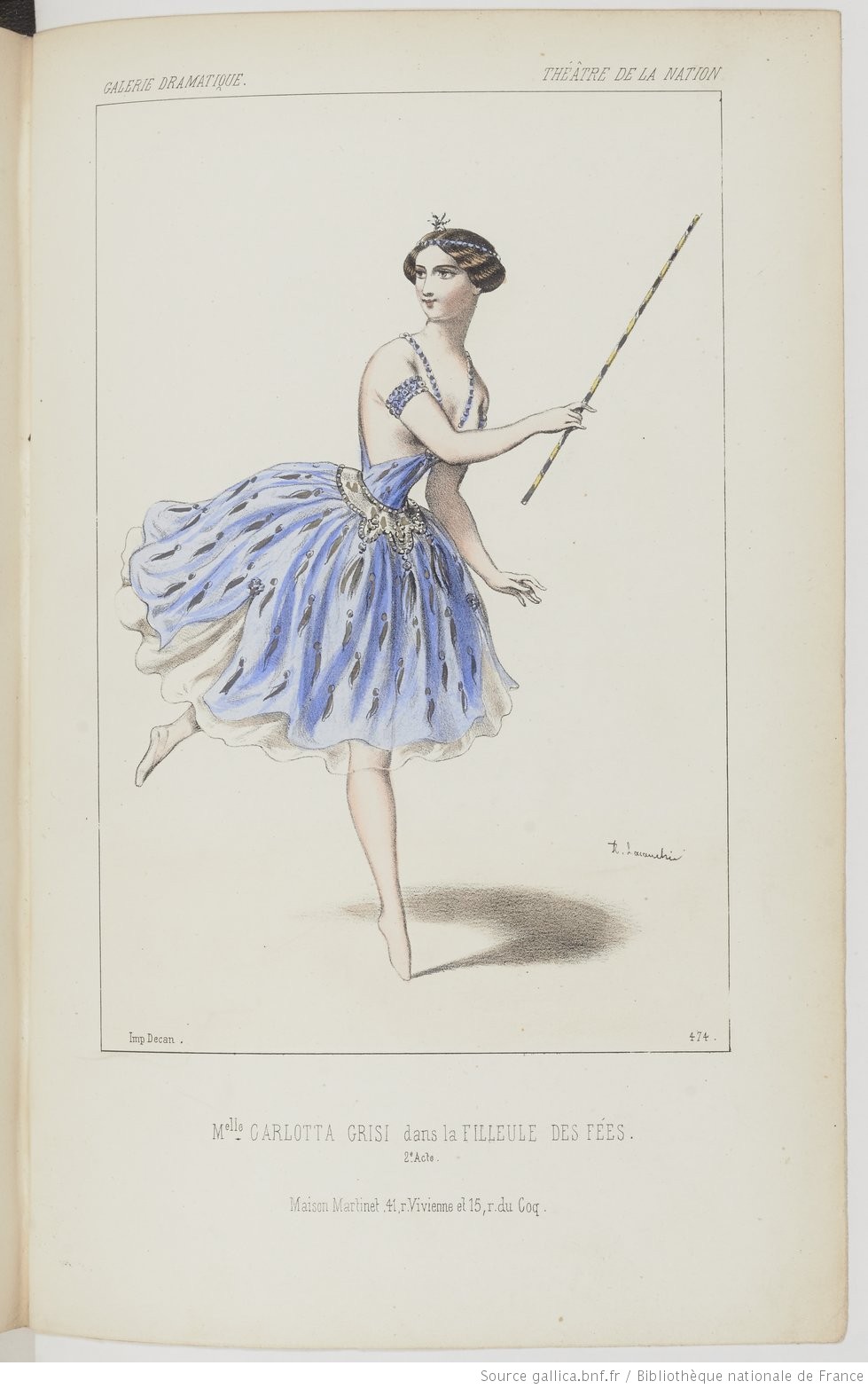
Carlotta Grisi
Prince Hughes
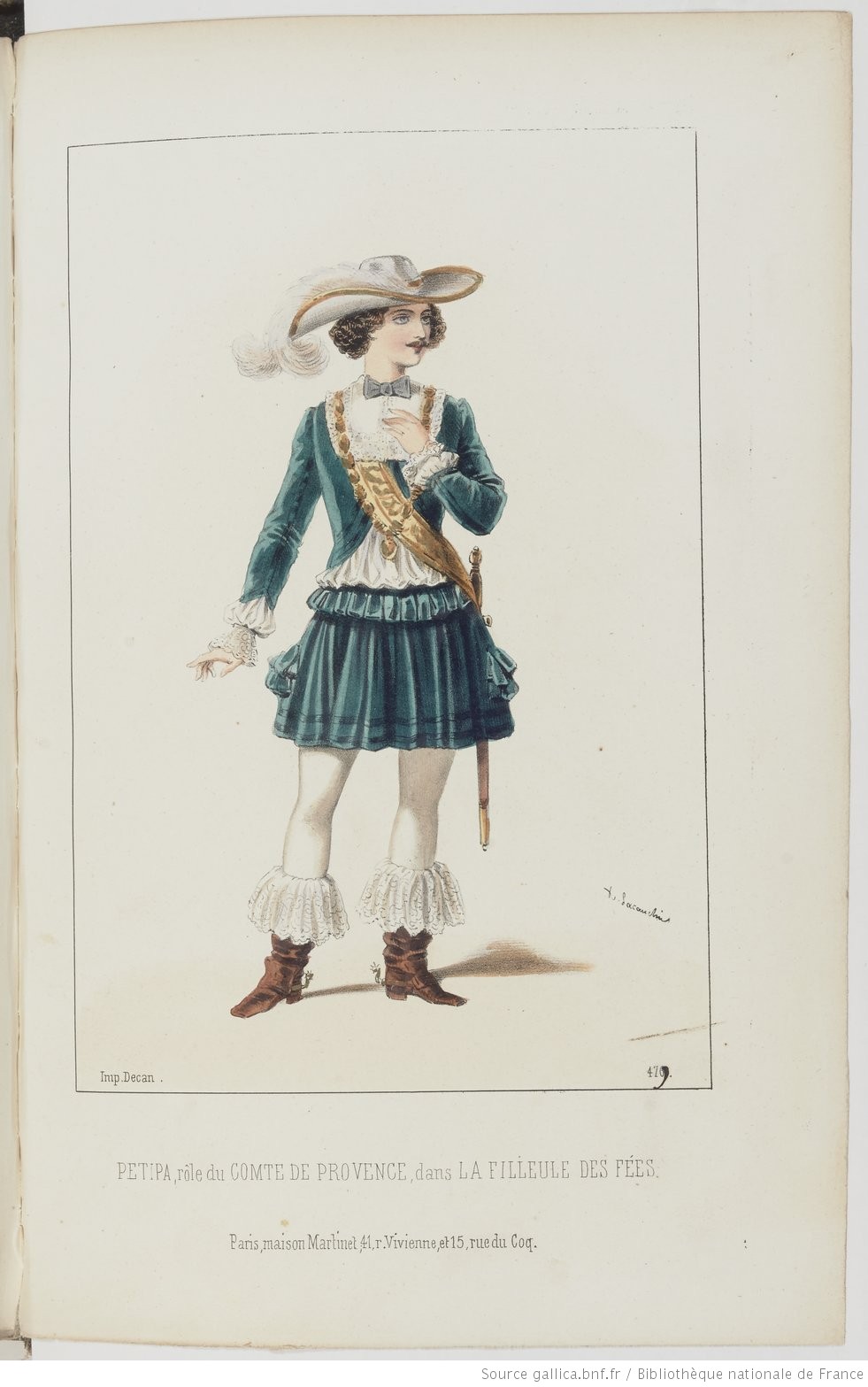
Lucien Petipa
Alain
Jules Perrot
The White Fairy
Célestine Emarot
The Pink Fairy
Louise Taglioni
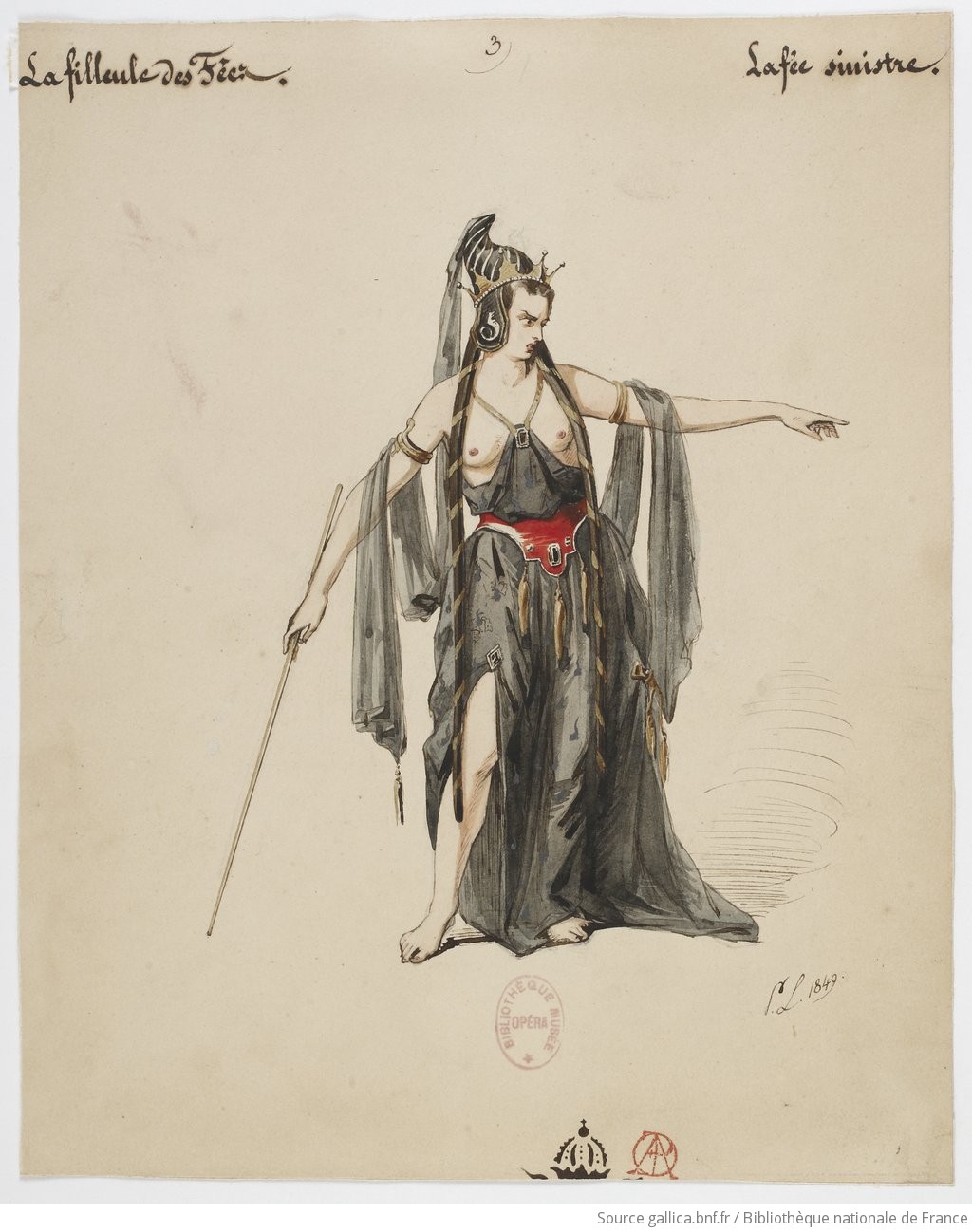
The Black Fairy
Louise Marquet
Saint Petersburg Première
24th February 1850
Imperial Bolshoi Kamenny Theatre
Original 1850 Cast
Ysaure
Fanny Elssler
Prince Hugues
Christian Johansson
Alain
Jules Perrot
The White Fairy
Anastasia Yakovleva
The Rose Fairy
Tatiana Smirnova
The Black Fairy
Elena Andreyanova
History
La Filleule des fées (The Fairies’ Goddaughter) is a ballet féerie in three acts and seven scenes by Jules Perrot, Adolphe Adam and Jules-Henri Vernoy de Saint-Georges. It was the final ballet to be created for Carlotta Grisi at the Paris Opéra.
Perrot had signed a contract with the Opéra from the 1st September 1848 to the 31st March 1849, but two obstacles, which ultimately worked his favour, delayed his return. Fanny Elssler had managed to secure an engagement for herself in Saint Petersburg and requested that Perrot also be given a contract. This offer proved to be too good to miss and the timing proved to be impeccable. The outbreak of the French Revolution of 1848 caused havoc in Paris and put a financial strain on the Opéra. Salaries were cut across the board and Perrot’s engagement was cut down from seven months to five, with the start being pushed back to the 1st November. Elssler’s Saint Petersburg engagement was secured for the 15th September and when Perrot’s contract was secured, he left for Russia, arriving in Saint Petersburg in the middle of December.
After the end of the Russian season, Perrot returned to Paris in the spring of 1849 to fulfil the first seven-month period of his contract at the Opéra that had been deferred. By this point, the unrest of 1848 was dying down and stability was seemingly returning to the French capital. Perrot’s engagement would begin on the 1st April and his first task was the creation of a new ballet for Grisi.
Creation
The journey to creating this new ballet was far from smooth. Perrot initially struggled with the potential subject matter and he may have considered reviving La Esmeralda, originally created for Grisi in London, which had just had huge success in Saint Petersburg. But the Opéra directorate had other ideas because they wanted a brand new work and they had already commissioned Saint-Georges to write the libretto, seemingly without consulting Perrot first. The pressure was mounting since Grisi’s contract had only been extended until the end of the year, so there was no time for delays. When Perrot learned of this, he did not approve and he apparently opted to share his views by causing difficulties. Perrot’s issue was that he had been accustomed in London and Milan to create his own plots, despite that the fact that the Paris Opéra had long held the practice of accepting a ballet libretto on its own merits and imposing it on the chosen choreographer. However, the Opéra directors did not yield to Perrot’s difficulties, as they were convinced that their layout for the new ballet was in the best interests of Perrot and Grisi and, as a matter of principle, it was their decision what their money was to be spent on, not Perrot’s.1
Saint-Georges was no stranger to Perrot; he had been one of several artists who brought Giselle to life eight years earlier. This time, sensing that the public had no interest in realism due to the recent revolutions, he opted for a different route in storytelling, one that took the audience into the world of fairy tales. For the new ballet, Saint-Georges produced a fairy tale that borrowed elements from Sleeping Beauty, full of situations that would require spectacular scenic and stage effects, and it was entitled La Filleule des fées. If Perrot was dissatisfied with the choice of Saint-Georges and the libretto he had written, he surely could not have been disappointed when Adolphe Adam, one of the finest composers of ballet music, was chosen to compose the score. Due to his busy schedule, he was assisted by his talented pupil Alfred de Saint-Julien, who would be credited as his collaborator. For the décor and costumes, the Opéra rounded up some of their finest artists, all of whom could be relied on to uphold the Opéra’s reputation for impressive spectacle – Despléchin, Cambon and Thierry to design the sets and Paul Lorimer to design the costumes. The chief machinist, Victor Sacré, was trusted with the stage effects. With the roles of the creative team assigned, the Opéra Directors decided that the new ballet was no longer up for further discussion and Perrot apparently grudgingly submitted. This dispute had some consequences, however, because it disrupted the original plan for La Filleule des fées to be presented in time for Grisi’s return from London in the summer. On the 23rd May, it was reported that the new work was not yet ready and that Grisi would make her reappearance in an existing work.2
Grisi had been a firm favourite at the Paris Opéra after her performance in Giselle in 1841, but eight years later, her tenure was now in its final chapter. Her dancing was starting to show signs of aging, her appearances in Paris were not as frequent as before and another ballerina, Fanny Cerrito and her husband Arthur Saint-Léon, had captivated the French capital. To make matters worse, there was a cholera outbreak in Paris in June and Grisi was one of many to fall ill with the disease, but luckily, her illness proved mild and she was ordered to rest for several weeks. When the Opéra finally reopened its doors in September, Grisi, now fully recovered, made her reappearance in her signature ballet Giselle. By this point, the rehearsals for La Filleule des fées were in full swing, though even the rehearsals were not devoid of problems because the corps de ballet struggled with the unusually complex group patterns that Perrot was devising for them. Perrot was in his element choreographing for the corps de ballet, but for the dancers, they found themselves participating in a creation to a much greater level than they were accustomed to.3 Then, when the ballet was in the final preparation stages, Perrot suffered a personal tragedy when his friend and colleague Antoine Coulon, who was the original Quasimodo in La Esmeralda, became one of the last victims of the cholera epidemic. Perrot was selected to deliver the oration at Coulon’s funeral, a task he accepted with great sadness. After the funeral, Perrot returned to the final preparations for La Filleule des fées, which was to première in October.
Libretto
Borrowing elements from the Sleeping Beauty story and retaining some familiar ballet story tropes, Saint-Georges presented a fairy tale about good and bad fairies, a beautiful heroine and two suitors vying for her hand.
The ballet opens with a prologue set in a farmhouse in Provence. The rich farmer Guillaume has invited his friends to celebrate the birth of his daughter Ysaure, but beginning the celebrations proves difficult when his friends arrive drunk on wine. Then, three knocks are heard at the door and one after the other, three women beg to be admitted. The first two are warmly welcomed, but the third is turned away because her presence would bring the number of attendees up to thirteen. As the festivities end, the two old women reveal themselves to be the White Fairy and the Pink Fairy, Ysaure’s godmothers, who bless her with gifts of beauty. Suddenly, there is a loud clap of thunder and the rejected old woman emerges from the fireplace. Flinging off her cloak, she reveals herself to be the Black Fairy and at a wave of her wand, a black cloud appears and bears the message, “I shall withhold my gifts until her fifteenth birthday.”
The first act takes place fifteen years later and the curtain opens to reveal a fresh landscape in the countryside where the villagers are making preparations for the spring festival. Ysaure arrives with her foster brother Alain. Alain is in love with Ysaure, but she does not reciprocate his affections. Left alone, Alain sinks into his despair, but suddenly, an old woman appears, who promises to help him in exchange for a kiss. When he kisses her, she turns into the Black Fairy and leads him away. Afterwards, a young huntsman arrives on the scene, weary from hunting. Two other old women, who are really the White and Pink Fairies, appear and, in return for alms, tell him that that he is about to fall in love. They point to Farmer Guillaume’s cottage and the walls become transparent, revealing Ysaure in her bedroom. The young hunter falls in love with the beautiful girl, but the vision fades when the Black Fairy returns in a fury and thwarts all the huntsman’s attempts to enter the cottage. When they go to fetch a log to batter the door down, the Black Fairy makes the cottage vanish and reappear on the hill. Notwithstanding these extraordinary happenings, the festivities begin. Alain has so much faith in the Black Fairy and her support that he adopts a confidently possessive attitude towards Ysaure, which greatly amuses her. The moment comes for Ysaure to be crowned Queen of Spring, but the official deputed to perform the task mysteriously disappears and his place is taken by the huntsman, who is revealed to be Prince Hugues of Provence. A long divertissement is performed, beginning with a ballabile and culminating in a pas de cinq performed by Ysaure, Prince Hugues, Alain and two peasant girls. As night falls, the festivities are ended and the Prince prepares to depart for his castle, but before leaving, he begs Ysaure for another meeting. Alain steps between them and takes Ysaure’s arm, but the White and Pink Fairies intervene by making transporting the Prince to Ysaure’s chamber. The scene closes with the Prince’s bewildered companions searching for their master while Ysaure ascends the hill to her cottage.
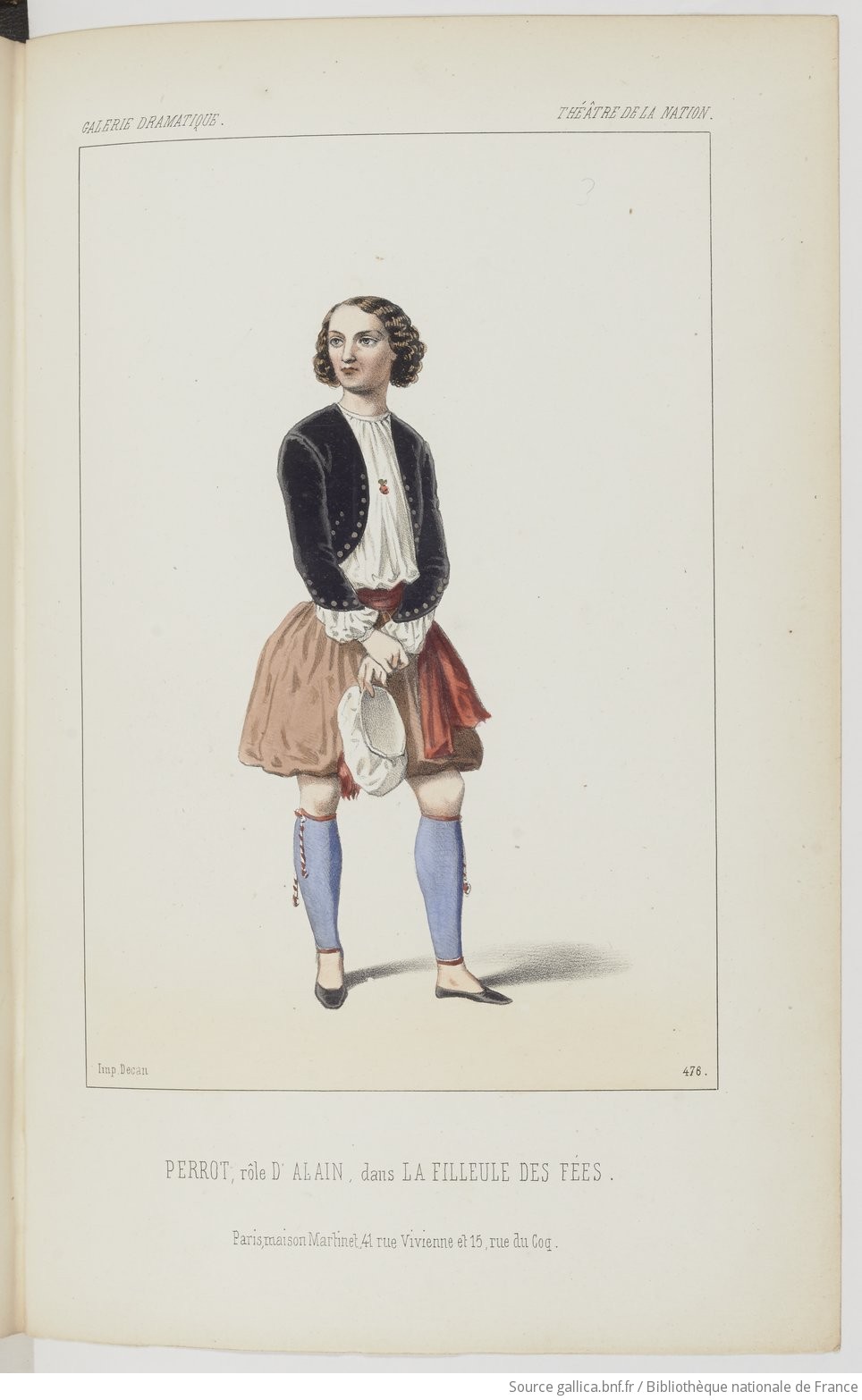
The next scene takes place in Ysaure’s bedchamber where Prince Hugues hides as Ysaure, her mother and Alain enter. Alain offers Ysaure a bouquet, but she refuses it, which upsets him. Noticing his distress, she agrees to accept it, but he has already crumpled the flowers in his misery and rushes off to gather a new bouquet. Ysaure is left alone and Prince Hugues emerges from his hiding place. He kneels at her feet and declares his love for her. She can hardly contain her delight, but after he has gone, she becomes embarrassingly conscious of her humble circumstances. Suddenly, her modest looking glass turns into a magnificent full-length mirror, the rustic chairs and cupboards become pieces of elegant furniture and the little room expands into a palatial chamber. Ysaure opens the door, expecting to find her prince outside, but instead, it is the Black Fairy, who has come to announce her birthday gift. The White and Pink Fairies appear to protect their goddaughter, but the Black Fairy tells them that now, any man who looks on Ysaure, who they have made so beautiful, will lose his reason. Terrified of harming her beloved, Ysaure tries to flee, but the prince’s companions restrain her and she covers her face with her hands. As Prince Hugues pulls her hands away, she turns sharply, only to find herself looking into the eyes of Alain, who has returned with a fresh bouquet. True to the Black Fairy’s word, Alain is deprived of his senses and tries to prevent the prince from following Ysaure. The prince pushes him aside and clasps Ysaure in his arms, but she breaks free and leaps through the window. Her fairy godmothers wave their wands and, instead of falling, Ysaure is borne away through the air by a gathering of fairies.
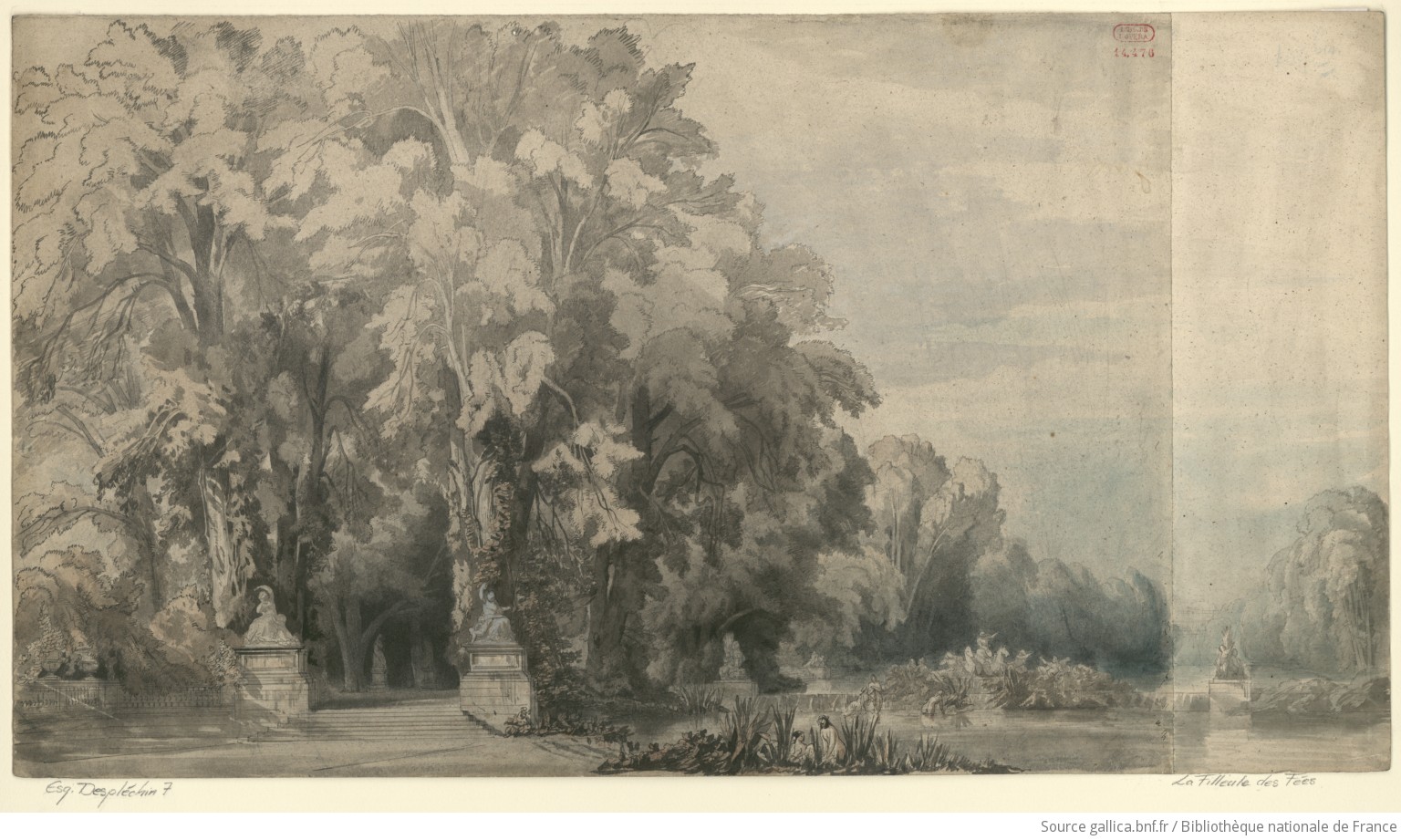
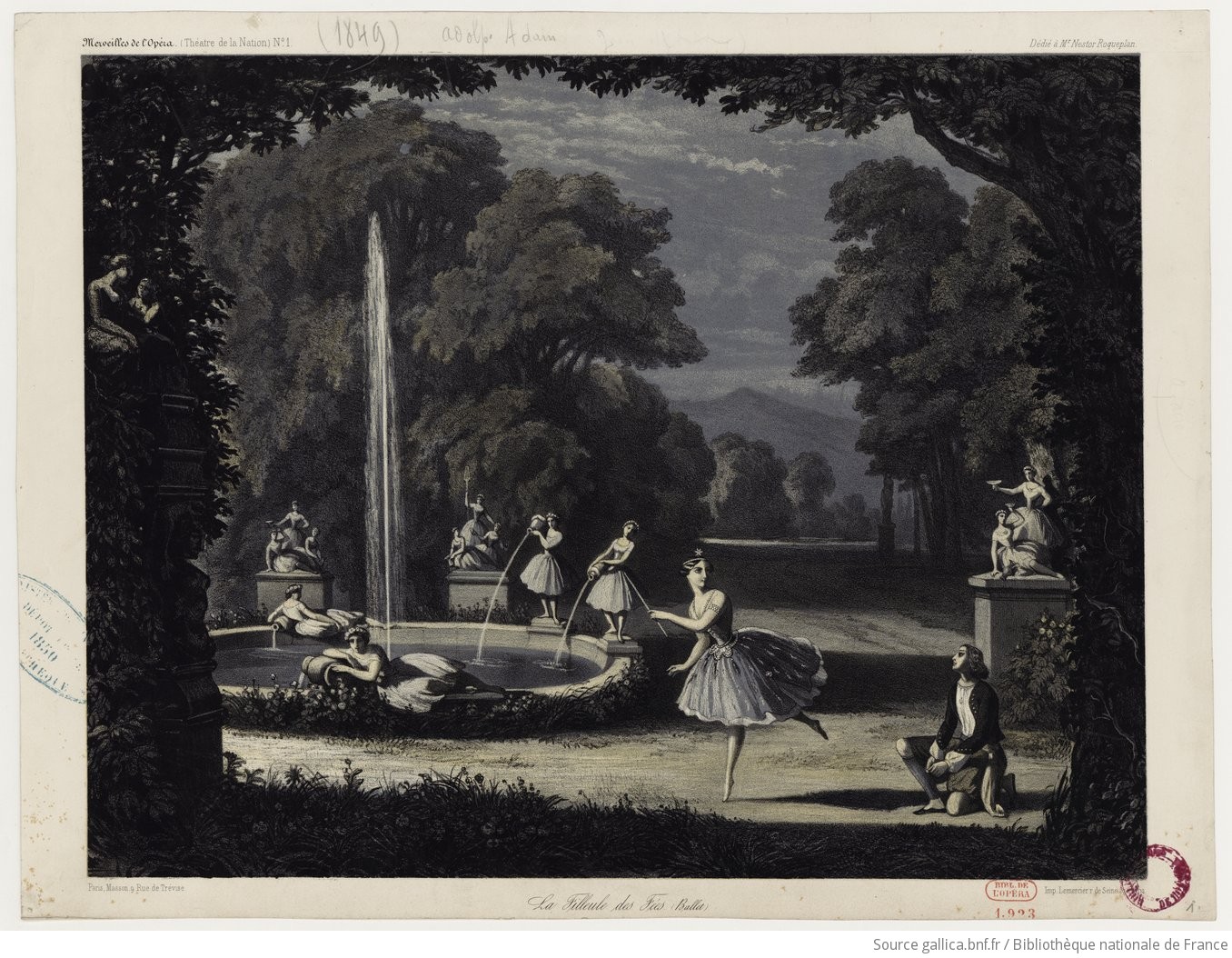
The second act takes place in a moonlit glade containing an ornamental pool surrounded by statues with a fountain in the centre. The White and Pink Fairies wait for Ysaure, who is borne to them in a swan-shaped boat as the statues come to life and form graceful groups about her. After warning Ysaure that she must not show her face to the Prince, the fairies summon Alain. He pursues her, but she eludes him. The fairy godmothers turn Ysaure into a fairy and, wielding her new wand, she joins a group of nymphs as they skim across the water onto the grass. A pas des fées is performed by Ysaure, the fairies and the nymphs. As day breaks, Ysaure cannot resist testing her newly-bestowed powers to see her beloved again. She summons the sleeping Prince Hugues and dances around him when Alain returns. Mad with jealousy, he snatches Ysaure’s wand from her and awakens the Prince. Ysaure tries to flee, but Alain touches her with the wand, rendering her immobile. Luckily, she is saved by one of her fairy godmothers, who spirits her into a grotto, which closes behind her. However, Alain, in his fury, drags Prince Hugues towards the grotto and waving the wand, causes the rocks to open.
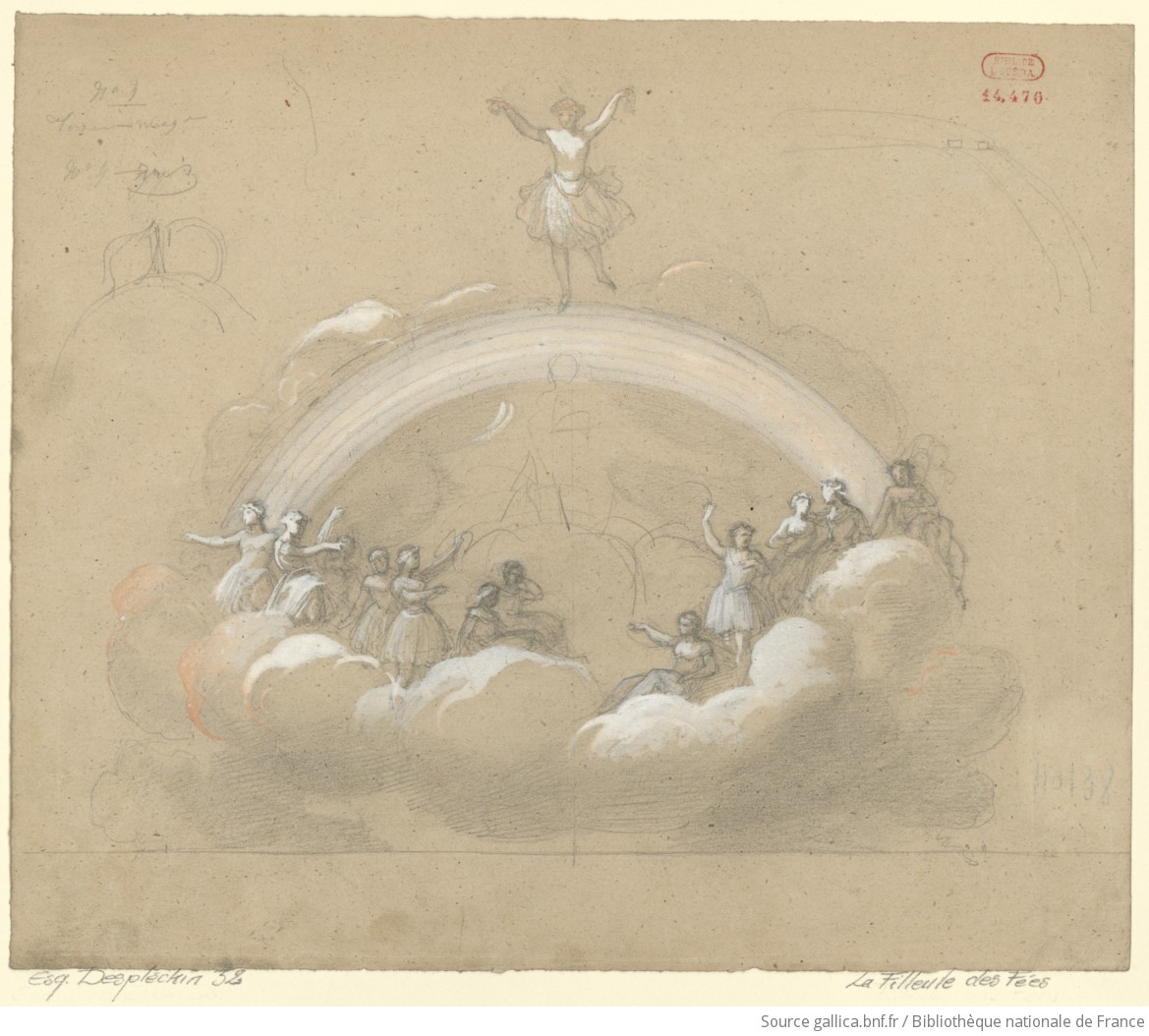
The third act takes place in an underground cavern where the spirits of the spring that feed the pool dwell. The White and Pink Fairies have brought Ysaure here and the spirits welcome her. As they each retire to their niches in the rock, a spring of water gushes out, showing Ysaure her reflection. But Alain finds her again, dragging the hapless prince towards her. To protect the prince, the fairies strike him blind. Ysaure endeavours to use her powers to restore Hugues’s sight, but the fairies cause her wand to break. At that moment, the Black Fairy appears, furious at having been thwarted, but she is finally persuaded to relent and agrees to allow for the Prince’s sight to be restored on condition that he passes a test to recognise Ysaure among the naiads. Clouds descend, the trial begins and the naiads lavish the Prince with their caresses, but whenever he approaches Ysaure, Alain tries to hold him back. However, the Prince recognises his beloved by the beating of her heart when he manages to approach her. He has passed the test; his sight is restored and the lovers are reunited. The clouds lift to reveal the Fairies’ Paradise, where fairies, nymphs and statues appear from every side to celebrate the union of the happy couple, while Alain, his reason now restored, deplores his follies and is forgiven.
The production
La Filleule des fées was one of the most ambitious ballet productions ever to have been produced at the Opéra, being divided into three acts, seven scenes and a prologue. The scale of the production was reflected in the severe test of the machinist, Victor Sacré, whose ingenuity that it entailed. The production was practically filled to the brim with impressive scenic and costumes effects. Ivor Guest recorded that the transformation of the fairies in the Prologue “was impressively managed, the old women’s long cloak of brown ‘glazed percaline’ being pulled off in a twinkling of an eye to reveal the magnificent fairy costumes they wore underneath. Simultaneously, sixteen old women who had entered in their train – and had not been counted as guests! – were similarly transformed, their crutches changing into fairy wands.”4
In Act One, the wall of Ysaure’s cottage had to suddenly become transparent to show her sitting at her dressing-table, and at the end of the scene, the whole cottage had to vanish and reappear on a distant hill. In the second scene, Sacré had to devise a means of transforming Ysaure’s humble room into a palatial chamber in full view of the audience. The décor designed by Despléchin, Cambon and Thierry proved magnificent. The lakeside scene of Act 2, designed by Despléchin, contained real fountains with running water, the sound of which mingled with Adam’s melodies, and the electric light gave the impression that the roof of the theatre had been removed to let in the moonlight.5 Finally, the Fairies’ Paradise of the finale was described as an apotheosis of “extraordinary brilliance, with golden clouds leading to ‘a crystal temple, encrusted with carbuncles, sapphires, rubies and topazes, like a heavenly Jerusalem, seen against a dazzling sun spinning like the wheel of a burning chariot.'”6
World première
La Filleule des fées made its world première on the 8th October 1849 at the Salle Le Peletier, with Grisi as Ysaure, Lucien Petipa as Prince Hugues, Perrot as Alain, Célestine Emarot as the White Fairy, Louise Taglioni as the Pink Fairy and Louise Marquet as the Black Fairy. The ballet was well-received, with Perrot’s choreography receiving praise, especially his group dances. The critic Fiorentino commented: “Choreography consists not only in inventing steps, designing attitudes and poses, and determining the number of variations. Above all it is the art of disposing large numbers of dancers and presenting them to the audience in a way that is both pleasing and varied, of not breaching the rules of perspective and line by bizarre combinations or by movements that are ungraceful or clash, of skilfully resolving the confusion of arms and legs that may occasionally fill the stage, and of manoeuvring with precision and unison a large and undisciplined army of supers and machinery for effects, the latter being neither the more obstinate nor the least intelligent. Perrot, who is no tyro, has overcome difficulties of this sort, before which ordinary choreographers would quail. The dances, if not notable for originality, are mostly pretty to watch, and the groups are arranged with artistry and taste.”7
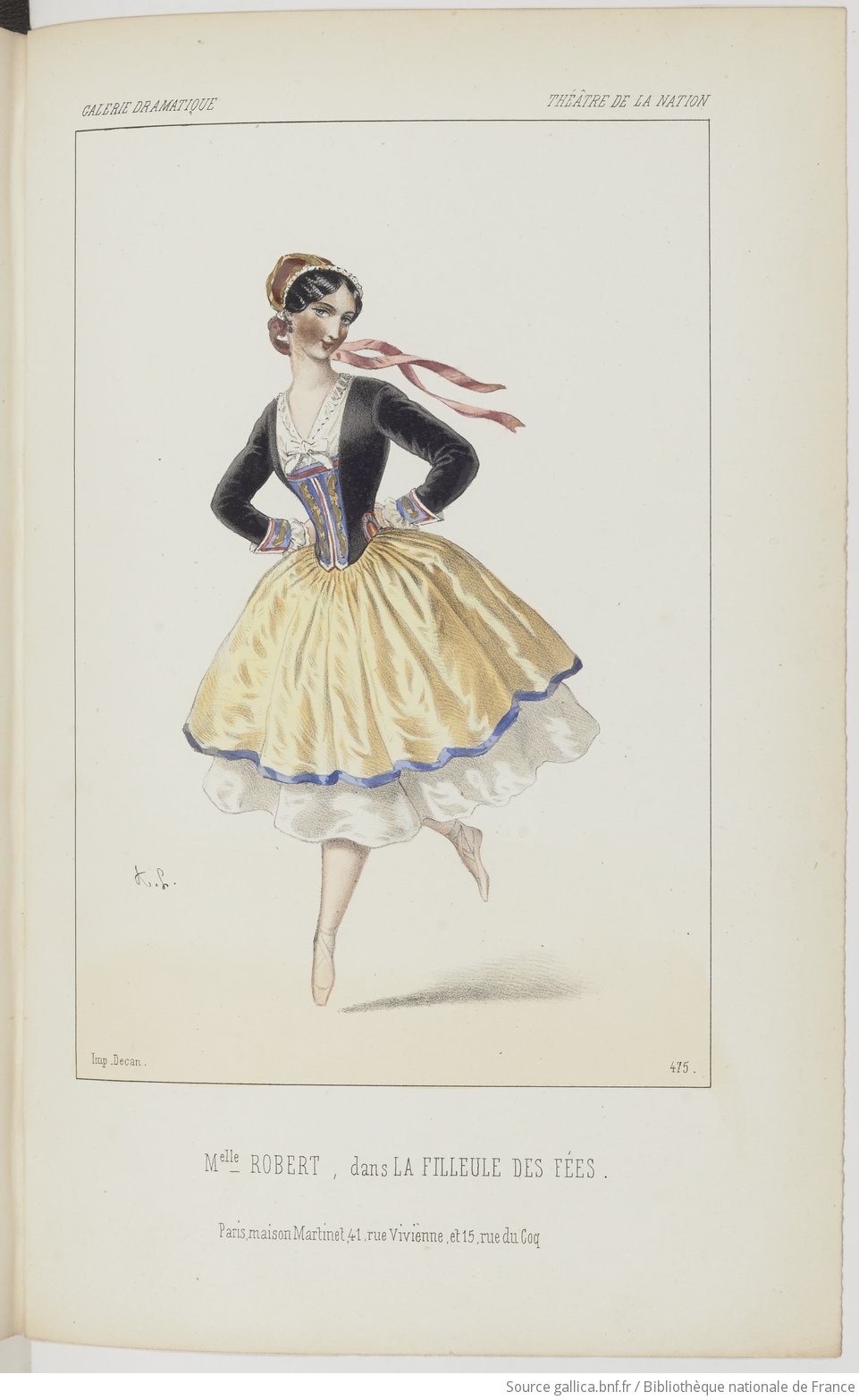
The ever- devoted Gautier was more enthusiastic in his praise of Perrot’s choreography: “The danses d’ensemble are arranged with unusual intelligence and care. The master’s eye has obviously penetrated everywhere; nothing has been left to chance. No one can handle large numbers choreographically with more assurance than Perrot; the whole of this crowd is dancing, from the footlights to the backcloth, and each dancer is performing a movement pleasing to watch and well-designed.”8
One of the highlights of the ballet was the Pas des fées in Act 2, performed by Ysaure, the White and Pink Fairies and the corps de ballet. Jules Janin praised the pas as “very well constructed, and Good Heavens, how charming, with eight dancers striving to shine like brilliant stars around a meteor or, we should say Carlotta.”9
Gautier was enraptured by both the ballet and its heroine, finding no fault with his beloved Carlotta: “La Filleule des fées is danced by Carlotta Grisi to a choreography by Perrot… a double perfection complete in itself, the execution being on a level with the conception, and the conception never eluding the execution, with harmony and grace going hand in hand – the ideal in ballet realised! Never perhaps has the charming dancer been more correct, more graceful, stronger and lighter than in La Filleule des fées. It seemed as though she were flying, as though some invisible handheld her in the air; and the tip of her white satin ballet shoe alighted on the ground making no more sound than a snowflake. What charming poses, what modest, naïve enjoyment, what poetic simplicity are to be found throughout this role played on the pointe from one end to the other; and what abandon there is in her tour de force, what grace in her strength, what facility in her performance of impossibilities! A pas by Perrot danced by Carlotta! Nothing better could be imagined! Terpsichore herself… muse that she is, could not do as much with her antique buskin as can our young Italian with her little satin slipper.”10
Gautier also had some praise for the respective performances of Perrot and Lucien Petipa: “Perrot, cast in the role of Alain, interpreted it with that charming feeling that is peculiarly his own. There is no better actor and dancer than he, even when he is not dancing, for the pas in a ballet belong to the beloved, and in La Filleule des fées, Perrot, left unmarried at the end, is reduced to the state of a comic opera bass… The pleasure of lifting the heroine and making her float for a moment in a haze of gas-light four feet from the ground is reserved for what might be called the tenor of the dance, for Petipa, who admirably acquits himself of this task with an ardent and chivalrous grace which is his constant success.”11
For all the success at its première, La Filleule des fées would prove to be a swansong to both Perrot and Grisi. Perrot’s long ambition to return to the Opéra had been soured and any hopes of its fulfilment were gone. Within weeks after the première, Perrot left Paris and returned to Saint Petersburg. It was in La Filleule des fées that Carlotta Grisi danced in Paris for the last time on the 21st December 1849. The ballet was given a total of 22 performances and it was performed for the final time at the Opéra in 1852.
La Filleule des fées in Russia
After returning to Russia, Perrot got to work on staging La Filleule des fées at the Imperial Theatre with Fanny Elssler cast as Ysaure. There had been no objectives when he presented the scenario to the Directorate, except that the Director Gedeonov raised a curious issue in regards to the title, explaining to Perrot, “It might seem odd that fairies are able to be godmothers.”12 Whether this issue was due to a conservative view from Russian Christian society or Gedeonov’s own opinions and preferences is unclear, but this attitude was certainly not shared thirty years later when The Sleeping Beauty and Cinderella were created. Either way, the ballet’s title was changed to “The Foster-child of the Fairies”. Just like for the Paris production, the preparations for the Russian production did not go smoothly.
To begin with, the première, which had been intended for November 1849, was delayed due to the delays of the Paris première, so when Perrot returned to Saint Petersburg, the décors would not be ready until the end of January. Rehearsals proceeded so slowly that it caused a further delay by two weeks. Another problem arose with Adam’s score. Perrot had brought with him a violin répétiteur, which he rehearsed with, but the orchestrations did not arrive. Just days before the première, the Imperial Theatre’s conductor Konstantin Lyadov was tasked to make a new orchestration, which he worked to achieve in feverish haste. In the process, he took heed of the criticisms the original orchestrations had received in Paris, namely avoiding the excessive use of bells and triangles, which had jarred the Parisian audience’s ears. When arranging the choreography, it became apparent that Perrot would be unable to produce the ballet exactly as he had done in Paris when it came to light that he had used passages from La Esmeralda and Catarina, ou La Fille du bandit in the Parisian production. These ballets were unknown in France, but they were members of the Saint Petersburg repertoire, so these passages had to be excised and replaced.13
Much effort was put into the production. The designers Andrei Roller and Heinrich Wagner were commissioned to design the décor and the scenic designs that were to be the manifestations of stage magic that the scenario called for. For the first time, electric lighting was used on the Russian stage to recapture the remarkable spectacle of the original Paris production. Nothing like it had been seen before in Saint Petersburg. Wagner’s décor for the second act, which included fountains playing and the electric light flooding the stage, caused a sensation. Roller also enjoyed triumph when he presented a multi-coloured temple in the apotheosis and the extraordinary illuminations at the very end when “a sea of fire invades the stage, and from its depths there shines forth a great light so brilliant that it can barely be endured by the naked eye.”14 Although, the red fire received a mixed response as some felt it spoiled the effects of the electric lights.
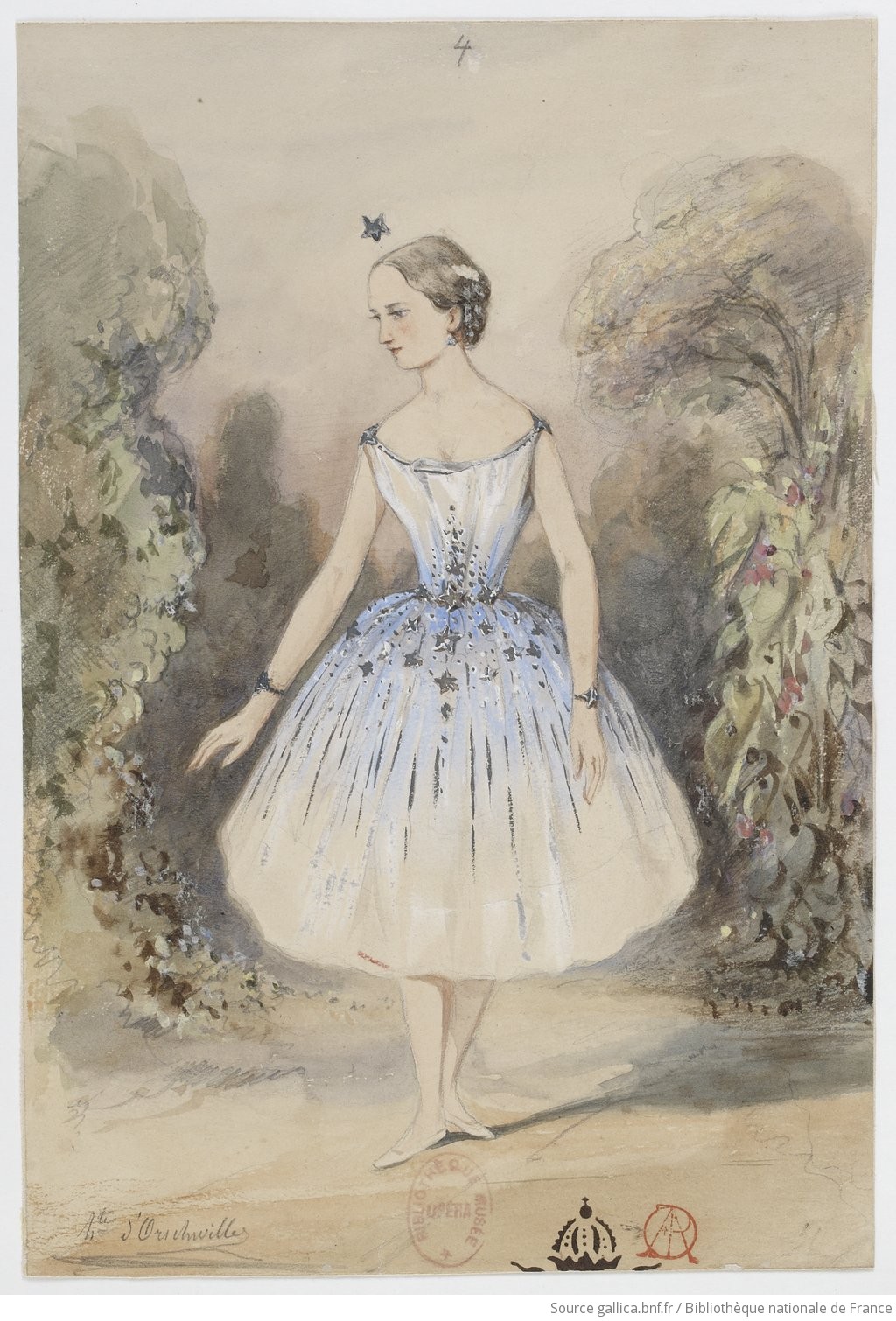
La Filleule des fées made its Saint Petersburg première on the 24th February 1850 at the Imperial Bolshoi Kamenny Theatre with Elssler as Ysaure, Christian Johansson as Prince Hugues, Elena Andreyanova as the Black Fairy, Tatiana Smirnova as the Rose Fairy and Anastasia Yakovleva as the White Fairy. The performances of the cast, especially Elssler, were well-received, as was Perrot’s choreography. Highlights of the first act were a valse de la coquetterie performed by Elssler and Perrot, probably created for the Saint Petersburg production, and the pas de cinq, which was praised for consisting “not of mere dances, but of whole scenes of love, coquetry, seduction and jealousy.”15 Just like in the Paris production, the Pas des fées in the second act was the highlight of the whole ballet and the Saint Petersburg staging contained a memorable tour de force where Elssler performed “a glissé sequence, traversing the stage obliquely, first in one direction and then in the other.”16 But the one element that the Russian audiences and critics could not take seriously was the story. Such a trite fairy tale did not meet their tastes, which preferred serious dramatic content, even more so than the French did. Despite the sheer impressiveness of the production, Elssler’s strong performance and all the cast’s efforts, the ballet was not successful. It was given only nine performances before the theatre closed for the end of the season and it was performed the following season, but only for seven times before it was dropped.
Perrot never produced La Filleule des fées anywhere else, but another version was staged by Salvatore Taglioni and Gustave Carey to a new music score by Giaqunito under the title Isaura in Naples in 1856. The ballet was never staged in the 20th Century, but the score was recorded by the Queensland Symphony Orchestra with Andrew Mogreila conducting and is available for purchase and digital download.
References
- Jules Perrot: Master of the Romantic Ballet by Ivor Guest, p. 234 Dance Books Ltd (1984) ↩︎
- Jules Perrot: Master of the Romantic Ballet by Ivor Guest, p. 235, Dance Books Ltd (1984) ↩︎
- Jules Perrot: Master of the Romantic Ballet by Ivor Guest, p. 236, Dance Books Ltd (1984) ↩︎
- Jules Perrot: Master of the Romantic Ballet by Ivor Guest, p. 237, Dance Books Ltd (1984) ↩︎
- The Ballet of the Second Empire by Ivor Guest, p. 49-50, Dance Books Ltd (1953), 2014 ed. ↩︎
- Jules Perrot: Master of the Romantic Ballet by Ivor Guest, p. 243, Dance Books Ltd (1984) ↩︎
- Quoted in Jules Perrot: Master of the Romantic Ballet by Ivor Guest, p. 243-244, Dance Books Ltd (1984) ↩︎
- Quoted in Jules Perrot: Master of the Romantic Ballet by Ivor Guest, p. 244, Dance Books Ltd (1984) ↩︎
- Quoted in Jules Perrot: Master of the Romantic Ballet by Ivor Guest, p. 242, Dance Books Ltd (1984) ↩︎
- Quoted in The Ballet of the Second Empire by Ivor Guest, p. 49, Dance Books Ltd (1953), 2014 ed ↩︎
- Quoted in The Ballet of the Second Empire by Ivor Guest, p. 49, Dance Books Ltd (1953), 2014 ed ↩︎
- Quoted in Jules Perrot: Master of the Romantic Ballet by Ivor Guest, p. 246, Dance Books Ltd (1984) ↩︎
- Jules Perrot: Master of the Romantic Ballet by Ivor Guest, p. 246-247, Dance Books Ltd (1984) ↩︎
- Quoted in Jules Perrot: Master of the Romantic Ballet by Ivor Guest, p. 246, Dance Books Ltd (1984) ↩︎
- Quoted in Jules Perrot: Master of the Romantic Ballet by Ivor Guest, p. 248, Dance Books Ltd (1984) ↩︎
- Quoted in Jules Perrot: Master of the Romantic Ballet by Ivor Guest, p. 248, Dance Books Ltd (1984) ↩︎
Sources
- Ivor Guest (1984) Jules Perrot: Master of the Romantic Ballet. London, UK: Dance Books Ltd
- Ivor Guest (1953) The Ballet of the Second Empire. Hampshire, UK: 2014 ed. Dance Books Ltd
- Ivor Guest (1970) Fanny Elssler. Hampshire, UK: 2014 ed. Dance Books Ltd
 The Marius Petipa Society